
The GTM Growth Framework
Three stages every company goes through on its journey to scale

Something to Think About:
We’re learning to synthesize a new technology landscape with the tried and true principles of marketing.

“How-To”
I am a huge fan of meeting and call recordings.
I love being able to revisit the content of those calls, to analyze my performance, and use that feedback to improve.
But I really don’t like meeting recorders!
Your Zoom ai transcript, fireflies.ai, otter.ai, Krisp, Grain, whoever joins the call... is presumptuous. You never asked me if I’d be okay with a robot joining the call. I have to actually let it join separately.
It’s a super annoying (bordering on rude) convention of modern calls.
Lots of calls I join spend the first few minutes of the meeting kicking out all the bots.
Everyone left is silently clapping.
Really, the only thing these bots do well is consistently show up on time. /s
So...
Then I discovered that I could get everything I wanted from a call recording by just using ChatGPT!
I love this now.
It doesn’t join the call. Doesn’t interrupt the chat with notes to let everyone know it’s there. And my analysis is right where I would have wanted it anyway.
Here’s how it works:
Use the ChatGPT app (this doesn’t work on the web version).
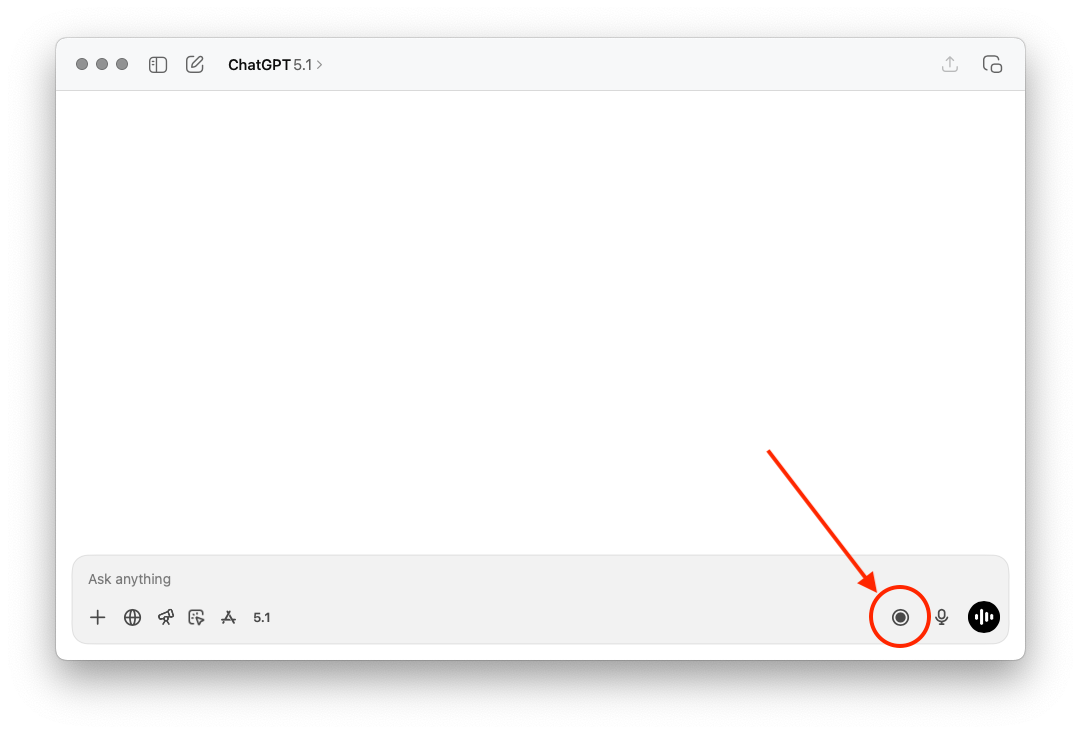
Start a new chat
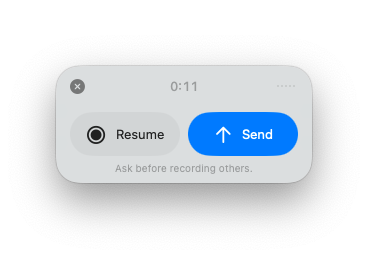
Hit the “record” button. (Notify everyone you need to.)
When the call is over, SEND it to ChatGPT.
Optional: organize that chat. I rename mine and send them to a ChatGPT Project I have created for each client.
The call summary will show up in your chat. By default the chat is summarized, but the entire transcript is stored behind the scenes. Now, you can ask ChatGPT to remind you what was discussed.

GTM to Scale: The Growth Framework
The GTM to scale stages are where we do most of our client work.
If you’re in there somewhere, this pattern is how we typically see things go.
It’s fun to read about the latest AI company that went from zero to a $100 billion valuation in a weekend, but most companies—even AI companies—don’t follow that trajectory. This model is what we see most of the time.
Everyone wants to scale.
But scale isn’t something you do. Scale is something that happens... if you’ve earned it.
It’s a byproduct of execution.
At CMO Zen, we use a simple growth framework.
1. Validation
2. Channel Discovery
3. Scale
Three stages. Always in order:
It sounds obvious. But can be more difficult than it looks.
There are a million distracting temptations waiting to pull you off track.
The Cost of Skipping
When teams skip ahead to scaling without validation, things break. Revenue stalls. Budgets balloon. Forecasts slip.
The work drags. Progress slows. Things get heavy.
Every decision takes longer. Every experiment costs more. Every result feels smaller than expected.
The team spends more energy for smaller gains.
Founders get tired because they’re pushing weight their business isn’t ready to carry. The inefficiency piles up like compound interest — but in reverse.
That drag comes from skipping the part that earns lift.

What Validation Actually Means
Validation isn’t a gut check.
It isn’t an internal debate around the conference table.
It’s not something you decide, or brute force by virtue of your decisiveness.
Validation happens when the customer shows you that your hypothesis is correct.
Your offer, your message, your price — all correct and confirmed by the market, not by your optimism.
We validate four critical pieces:
WHO: Who are your best-fit customers?
WHAT: What problem burns enough that they’ll pay to solve it?
WHY: Why should they trust you over everyone else?
WHERE: Where do you reliably intercept their attention?
When these four align, marketing gets easier.
Not because you’re doing more, but because you’re doing the right things for the right people at the right time.
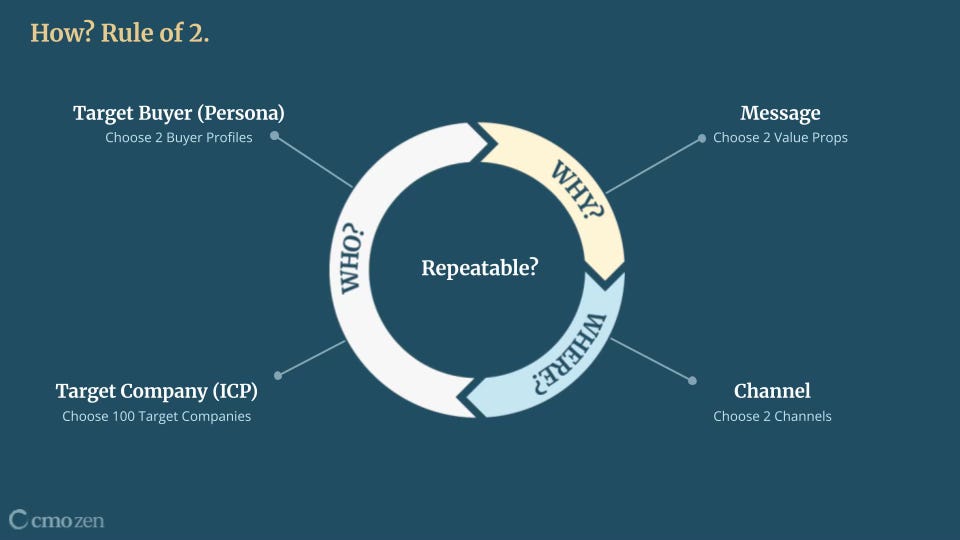
The Rule of 2: Finding Repeatability
Validation leads to channel discovery, which is where you find repeatability.
We use what we call the Rule of 2 to get there:
Select 100 target companies (WHO)
Choose 2 buyer personas (WHO)
Pick 2 value propositions (WHY)
Select 2 channels (WHERE)
See how these tie in with what we need validated?
Take your best guesses and run controlled tests. Measure real customer behavior.
Kill what doesn’t work. Amplify what does.
Repeatability isn’t magic. It’s pattern recognition, discovered through systematic tests that stack evidence over time. It’s the science of marketing.
The rule of 2 makes sure we A/B test each key piece of our GTM. It’s nothing more than the scientific method in practice.
Anyone can do it. But most don’t.
Early-stage companies often find it irresistible to skip ahead. They hire outbound teams, spin up ad campaigns, build RevOps machines… all before the market has even told them they’re right.
The result isn’t scale. It’s exhaustion.
By contrast, companies that slow down to validate move faster later.
It’s going slow to go fast. When repeatability shows up, growth becomes arithmetic, not anxiety.

The Honest Work
Validation requires one thing many teams avoid: admitting what you don’t yet know.
You don’t have to guess. You just have to listen to the customer long enough for the answers to show up.
At CMO Zen, we help teams with this.
Next I’ll share how to do Channel Discovery. There are virtually unlimited marketing channels, which can feel like an overwhelming game of roulette.
Part 2 will give you a framework for discovering the right channels for your product and customer. If you can’t wait that long, check out my One-Day Marketing Plan below. It’s free and works 100% of the time.
Namaste
Chad Jardine, CEO at CMO Zen